You can spend R1,500 on an office chair or several thousand. From the outside, they can look similar. The difference shows up at 4pm, when one leaves you stiff and shifting in your seat and the other still feels supportive.
If you sit for six or more hours a day, your chair is the piece of equipment you use most. Here’s why an ergonomic chair is worth it, and what the evidence really says.
What makes a chair “ergonomic”?
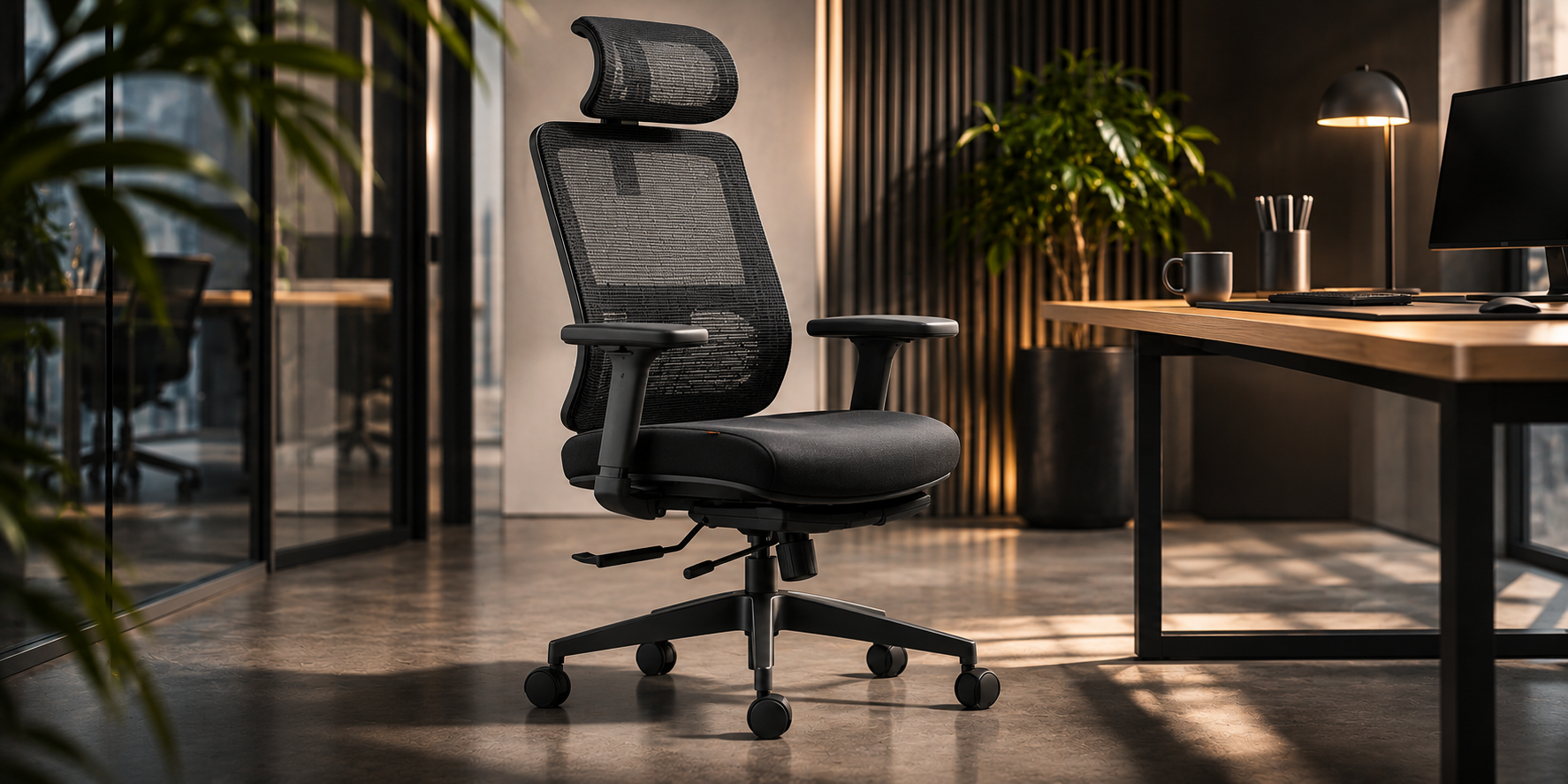
An ergonomic chair adjusts to your body instead of forcing your body to adapt to it. The essentials are:
- Seat height so your feet rest flat and your knees sit at about hip level
- Lumbar support that follows the natural curve of your lower back
- Seat depth so the backs of your knees aren’t pressed against the seat edge
- Adjustable armrests that let your shoulders relax while you type
- Recline with tension control so you can lean back and shift position during the day
- Breathable materials such as mesh, which stay cooler in a South African summer
A basic chair might offer height adjustment only. A good ergonomic chair lets you tune all of these.
The research: less discomfort as the day goes on
One of the best-known studies on office chairs followed about 200 computer workers for a year. They were split into three groups: one received a highly adjustable chair plus ergonomics training, one received training only, and one received neither.
Workers with the adjustable chair and training had less growth in pain over the workday. Their average pain levels dropped too, with the biggest improvement in the neck and shoulders, followed by the upper and lower back. Training on its own did not reduce how pain built up during the day.
The takeaway: knowing how to sit well helps, but you need furniture that lets you act on that knowledge.
The productivity angle
The same research team measured output. Workers who received the chair plus training increased productivity by nearly 18% over the year. The researchers estimated the benefit to the employer far outweighed the cost of the chair and training. Results from a single study shouldn’t be treated as a guarantee, but the direction is clear: comfortable people get more done.
5 everyday benefits you’ll notice
- Less end-of-day stiffness. Proper support means fewer aches in your neck, shoulders and back by the time you log off.
- Easier focus. When you’re not constantly shifting to get comfortable, it’s easier to stay on task.
- Better posture without effort. Good lumbar support and armrests hold you in a neutral position, so you’re not relying on willpower.
- A setup that fits your desk. Adjustable height works with sit-stand desks and fixed desks alike.
- Long-term value. A quality chair outlasts several cheap ones. Spread over five years of daily use, the cost per day is small.
Ergonomic chair vs gaming chair
Gaming chairs look the part, but many are built around a racing-seat shape with fixed bolsters and pillow-style lumbar cushions. Ergonomic office chairs prioritise adjustability and long hours of neutral posture. If the chair is for work, choose one designed for work.
Pair it with the rest of your workspace
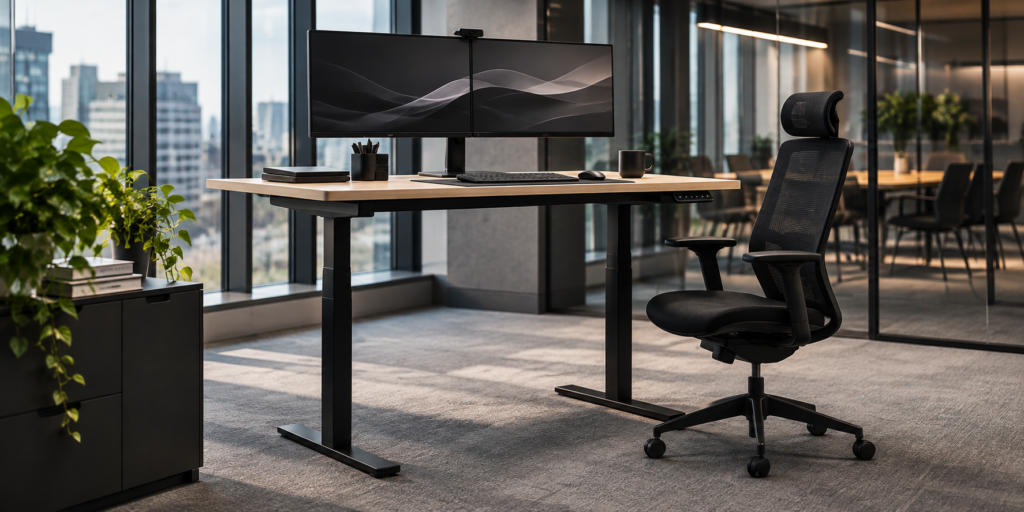
A great chair works best with the right desk height and screen position. If you use a height-adjustable desk, alternate between sitting and standing through the day. A footrest helps if your feet don’t reach the floor comfortably.
FAQ
Is an ergonomic chair worth the money? For people who sit for several hours a day, research links adjustable chairs with less discomfort and better productivity, especially when you set them up correctly.
How long does an ergonomic chair last? A quality chair should give years of daily use. Check the warranty on the frame and mechanism before you buy.
Mesh or padded seat? Mesh is cooler and suits warm climates. Padded seats feel softer but can trap heat over long days.
Find a chair that fits you. Browse ARORA Ergonomic Office Chairs
Sources: Amick et al., Spine (2003), via Institute for Work & Health · IWH At Work summary of the chair study · Review table of chair intervention studies, BMC Musculoskeletal Disorders